বৰপেটা সংগীত সমাৰোহ ২০২৭BARPETA SANGEET SAMAROH 2027

30 — 31 JANUARY 2027

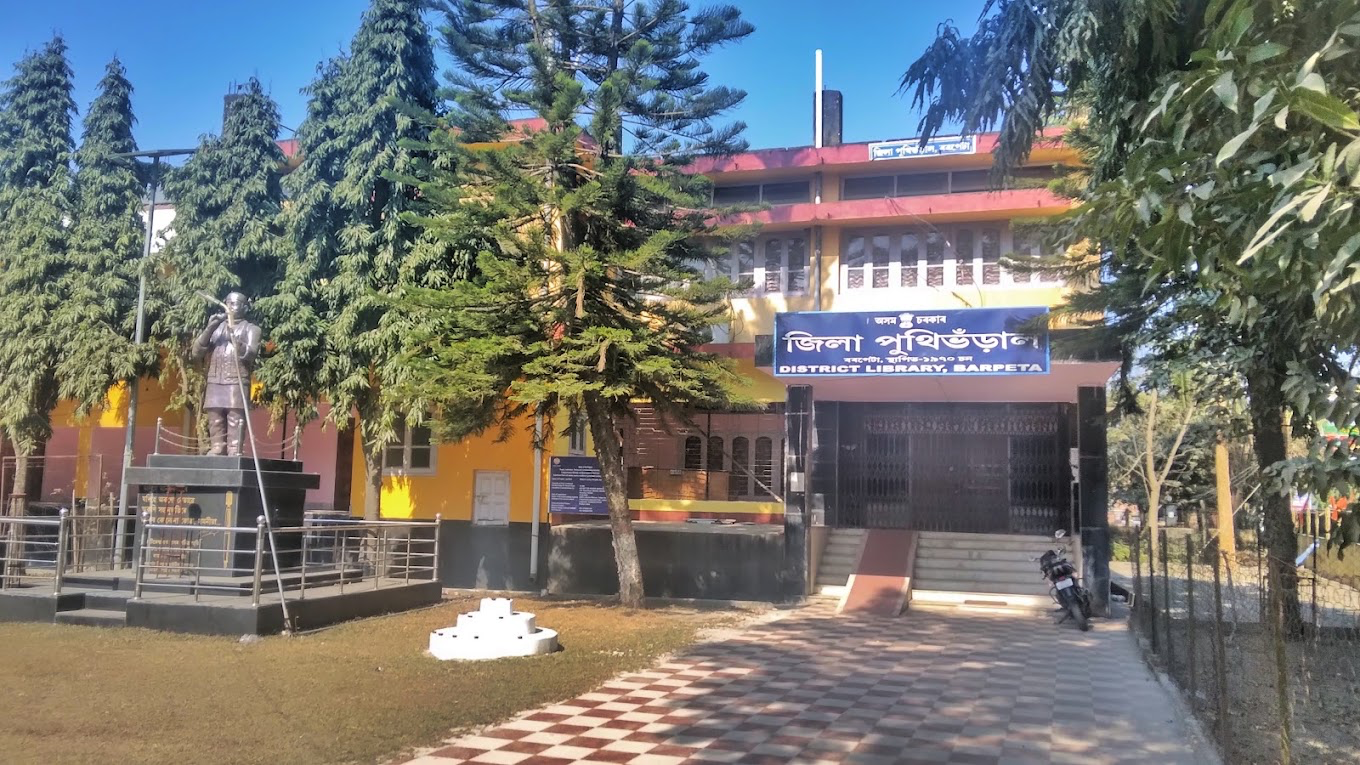
Barpeta District Library Auditorium

ACADEMY OF KHOL VADYA BARPETA

SCROLL TO DISCOVER

SATTRA HERITAGE

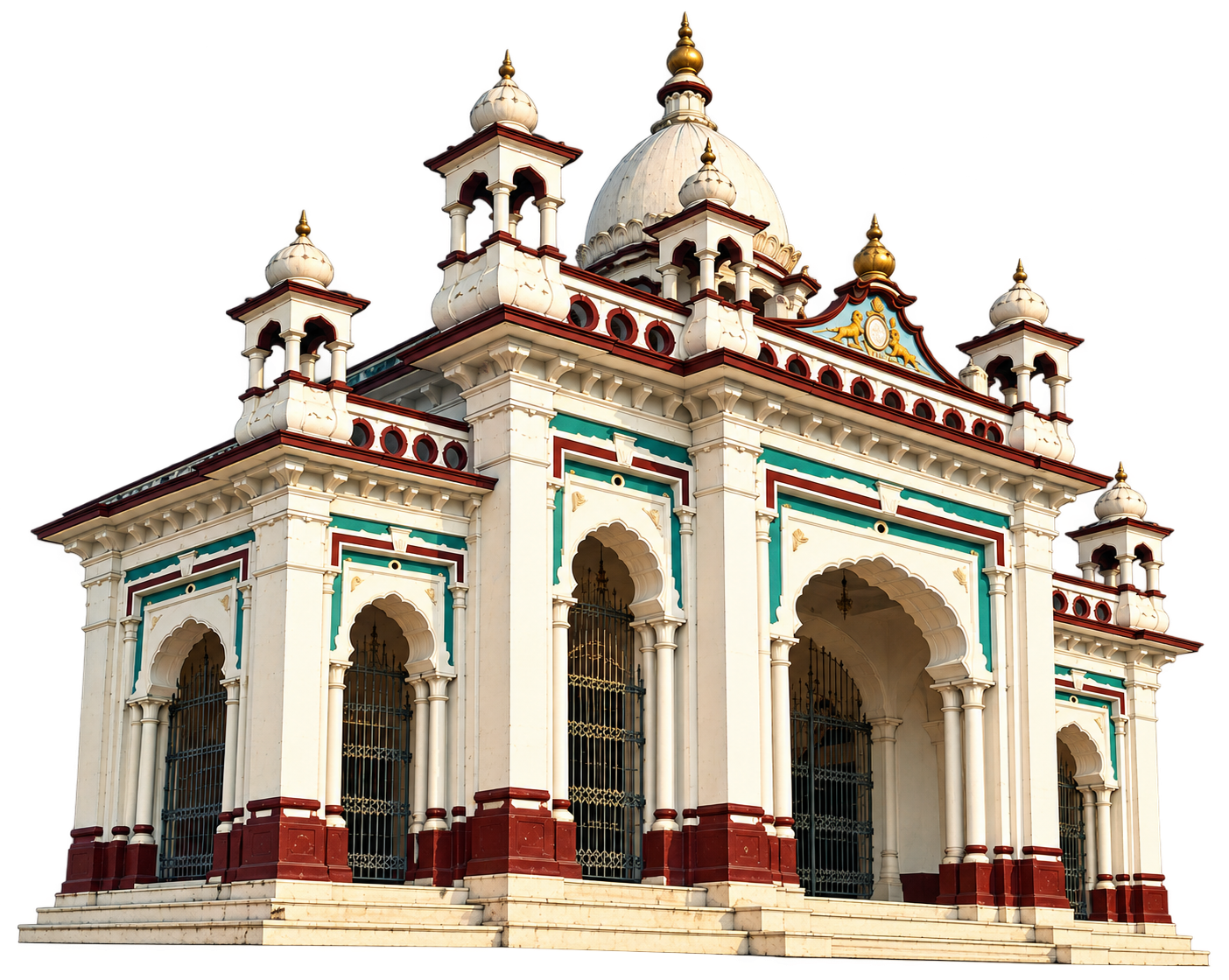
BARPETA KIRTAN GHAR

Barpeta Satra stands as one of the sacred and enduring centres of Assam’s Neo-Vaishnavite heritage. Its history is deeply intertwined with the spiritual vision of Mahapurush Srimanta Sankardeva, the great saint, scholar, and cultural architect of Assam.

Barpeta Satra, founded by Mahapurush Srimanta Madhavdeva in 1583 CE, stands as one of the great living centres of the Sattra tradition of Assam. Its spiritual and cultural foundations are inseparable from the vision of Mahapurush Srimanta Sankardeva, whose Neo-Vaishnavite movement transformed the religious, literary & artistic life of Assam.

Over the centuries, the Sattra became far more than a place of worship. It evolved into a living centre of music, dance, theatre, literature & traditional knowledge. At Barpeta, this heritage continues through Borgeet, Ankiya Geet, Khol Vadya, Sattriya Nritya, Bhaona, Holi Geet & other devotional and performing traditions.

Barpeta Satra is not merely a monument of the past, it remains a living continuum of the Sankardeva-Madhavdeva tradition - where devotion becomes music, rhythm becomes worship & performance becomes a vehicle for transmitting cultural memory across generations.
Barpeta Satra stands as one of the sacred and enduring centres of Assam’s Neo-Vaishnavite heritage. Its history is deeply intertwined with the spiritual vision of Mahapurush Srimanta Sankardeva, the great saint, scholar, and cultural architect of Assam.

Barpeta Satra, founded by Mahapurush Srimanta Madhavdeva in 1583 CE, stands as one of the great living centres of the Sattra tradition of Assam. Its spiritual and cultural foundations are inseparable from the vision of Mahapurush Srimanta Sankardeva, whose Neo-Vaishnavite movement transformed the religious, literary & artistic life of Assam.

Over the centuries, the Sattra became far more than a place of worship. It evolved into a living centre of music, dance, theatre, literature & traditional knowledge. At Barpeta, this heritage continues through Borgeet, Ankiya Geet, Khol Vadya, Sattriya Nritya, Bhaona, Holi Geet & other devotional and performing traditions.

Barpeta Satra is not merely a monument of the past, it remains a living continuum of the Sankardeva-Madhavdeva tradition - where devotion becomes music, rhythm becomes worship & performance becomes a vehicle for transmitting cultural memory across generations.
FEATURED PERFORMANCE · TABLA SOLO 31 JANUARY 2027

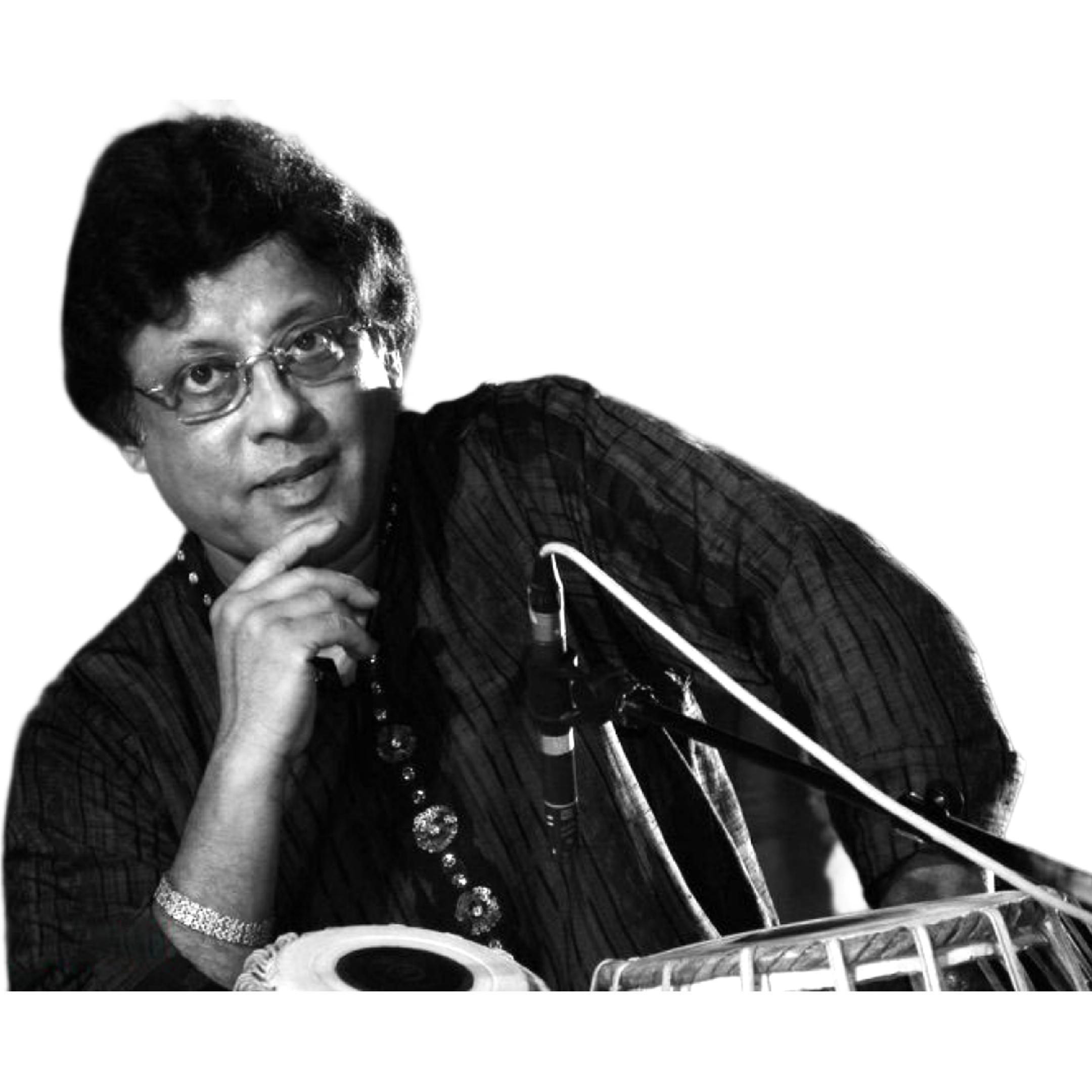
PANDIT ANINDO CHATTERJEE

LEGENDARY TABLA MAESTRO

A towering figure in Indian Classical Music, Pandit Anindo Chatterjee began performing in childhood and became one of the youngest All India Radio artists at age five. He studied for decades with Pandit Jnan Prakash Ghosh, after early training with Ustad Afaq Hussain Khan of the Lucknow gharana.

Across a career spanning more than six decades, his solo and collaborative performances have taken him around the world. His music is known for clarity of stroke, rhythmic precision and tonal refinement; he has performed with Pandit Ravi Shankar, Ustad Amjad Ali Khan, Pandit Hariprasad Chaurasia and many others.

His honours include the President’s Award (1970) and the Sangeet Natak Akademi Award for Tabla (2002); in 1990 he performed at the House of Commons. A lifelong teacher in the guru-shishya tradition, he brings a living lineage of Tabla to Barpeta.

Pandit Anindo Chatterjee performing Tabla

A towering figure in Indian Classical Music, Pandit Anindo Chatterjee began performing in childhood and became one of the youngest All India Radio artists at age five. He studied for decades with Pandit Jnan Prakash Ghosh, after early training with Ustad Afaq Hussain Khan of the Lucknow gharana.

Across a career spanning more than six decades, his solo and collaborative performances have taken him around the world. His music is known for clarity of stroke, rhythmic precision and tonal refinement; he has performed with Pandit Ravi Shankar, Ustad Amjad Ali Khan, Pandit Hariprasad Chaurasia and many others.

His honours include the President’s Award (1970) and the Sangeet Natak Akademi Award for Tabla (2002); in 1990 he performed at the House of Commons. A lifelong teacher in the guru-shishya tradition, he brings a living lineage of Tabla to Barpeta.

PERFORMANCES

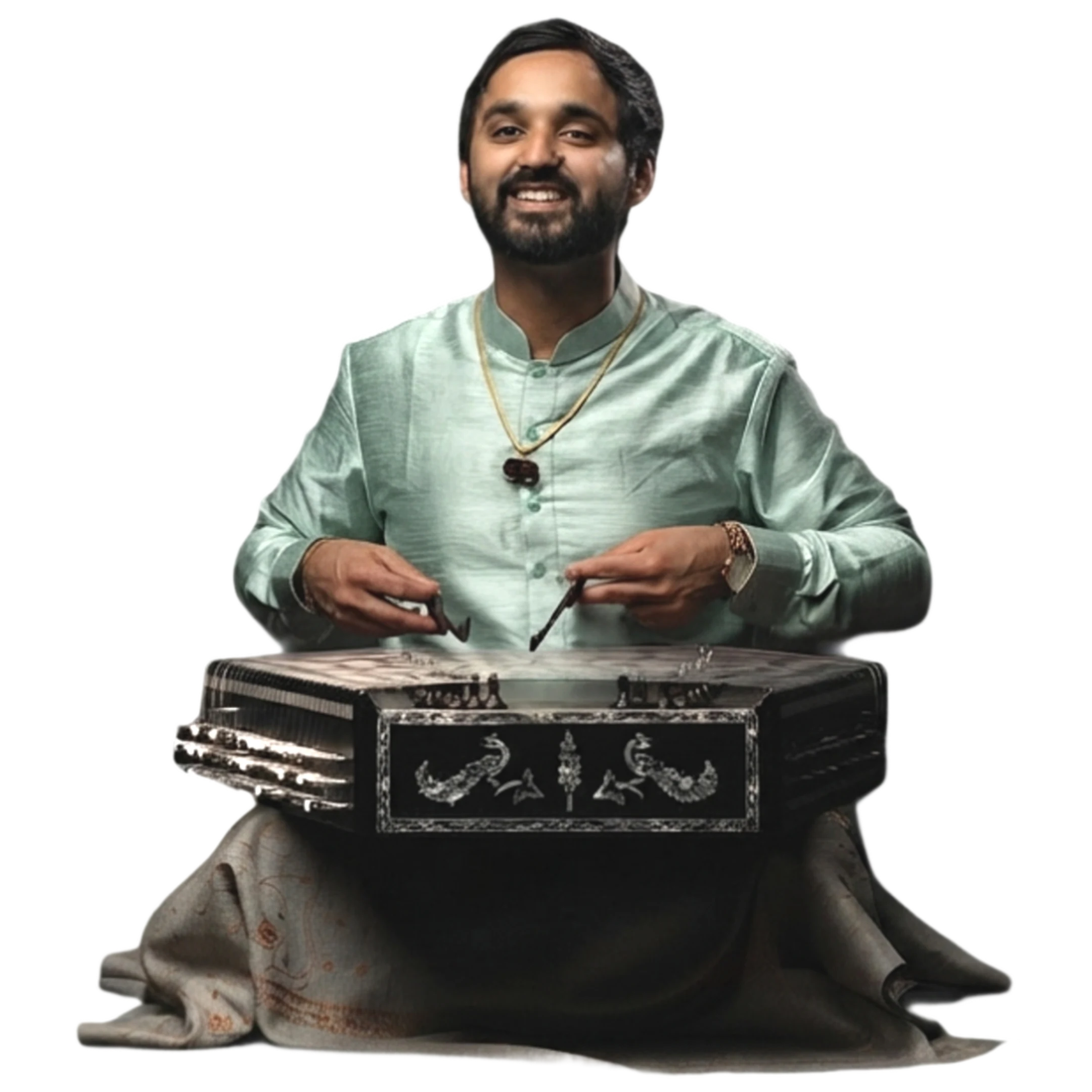
Santoor artiste Vinay Desai
Santoor · 30 JANUARY

VINAY DESAI

Hindustani classical santoor artiste and direct disciple of the late Pandit Shivkumar Sharma. After early training in vocal, harmonium and Tabla, he studied santoor with Takahiro Arai and Kunal Gunjal before learning directly from Panditji.

Vinay has performed across India, North America, Australia and Argentina at festivals including Adelaide Fringe, Mona Foma and Lollapalooza Argentina. He has collaborated with Pandit Anindo Chatterjee and other leading musicians, and teaches from Shanti Mandir in Walden, New York.

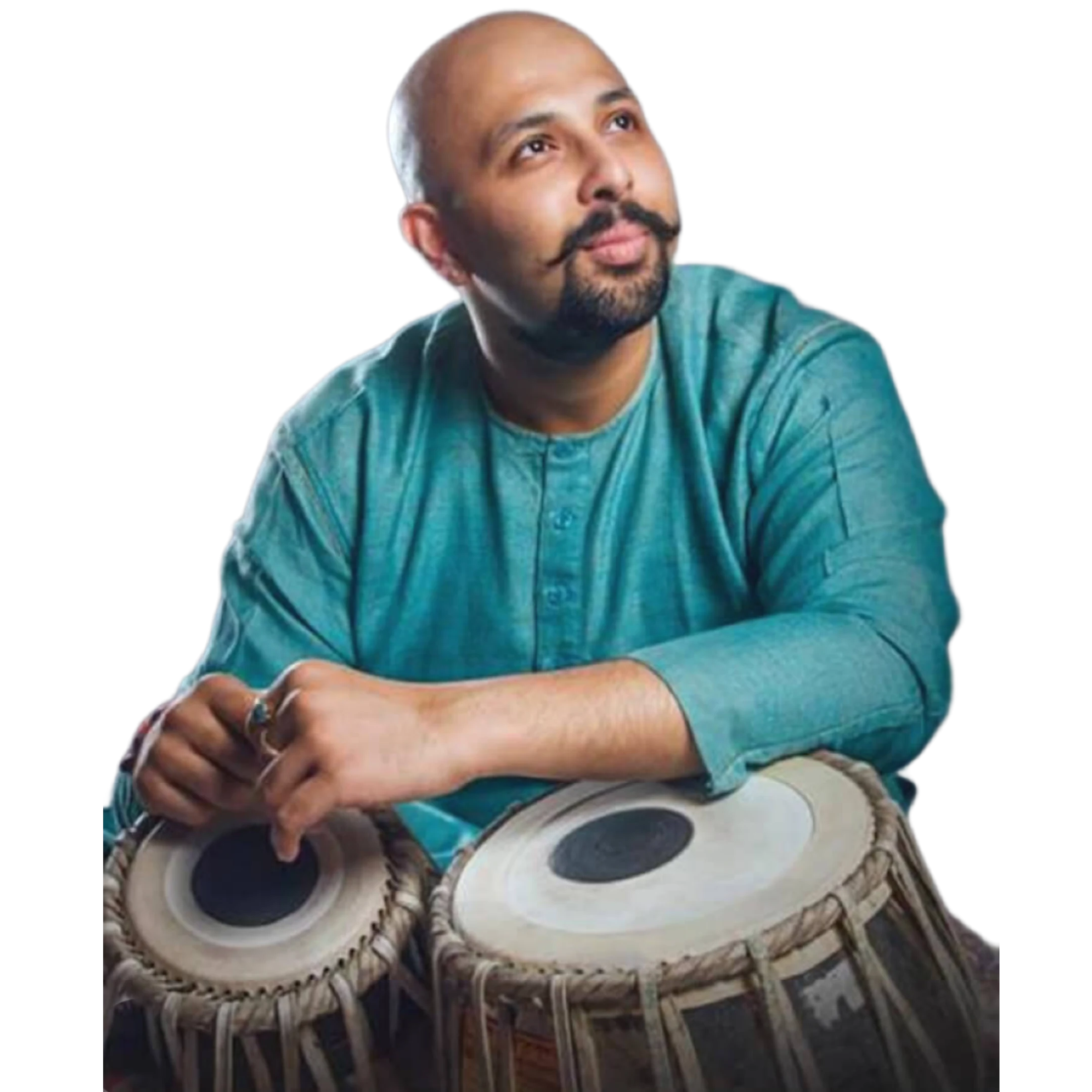
Tabla artiste Anubrata Chatterjee
Tabla · 30 JANUARY

ANUBRATA CHATTERJEE

A leading Tabla artiste of the Farrukhabad tradition, Anubrata is the son and disciple of Pandit Anindo Chatterjee. He became the youngest and last Ganda-Bandh disciple of Pandit Jnan Prakash Ghosh in 1992, and developed a repertoire spanning Farrukhabad, Lucknow and Ajrada.

A soloist and accompanist, he has performed at Carnegie Hall, the Kennedy Center, Barbican Centre and major Indian festivals. His honours include the Sangeet Natak Akademi Ustad Bismillah Khan Yuva Puraskar (2016). His projects Beats & Pieces and LayaCurry bring classical rhythmic ideas into new performance formats.

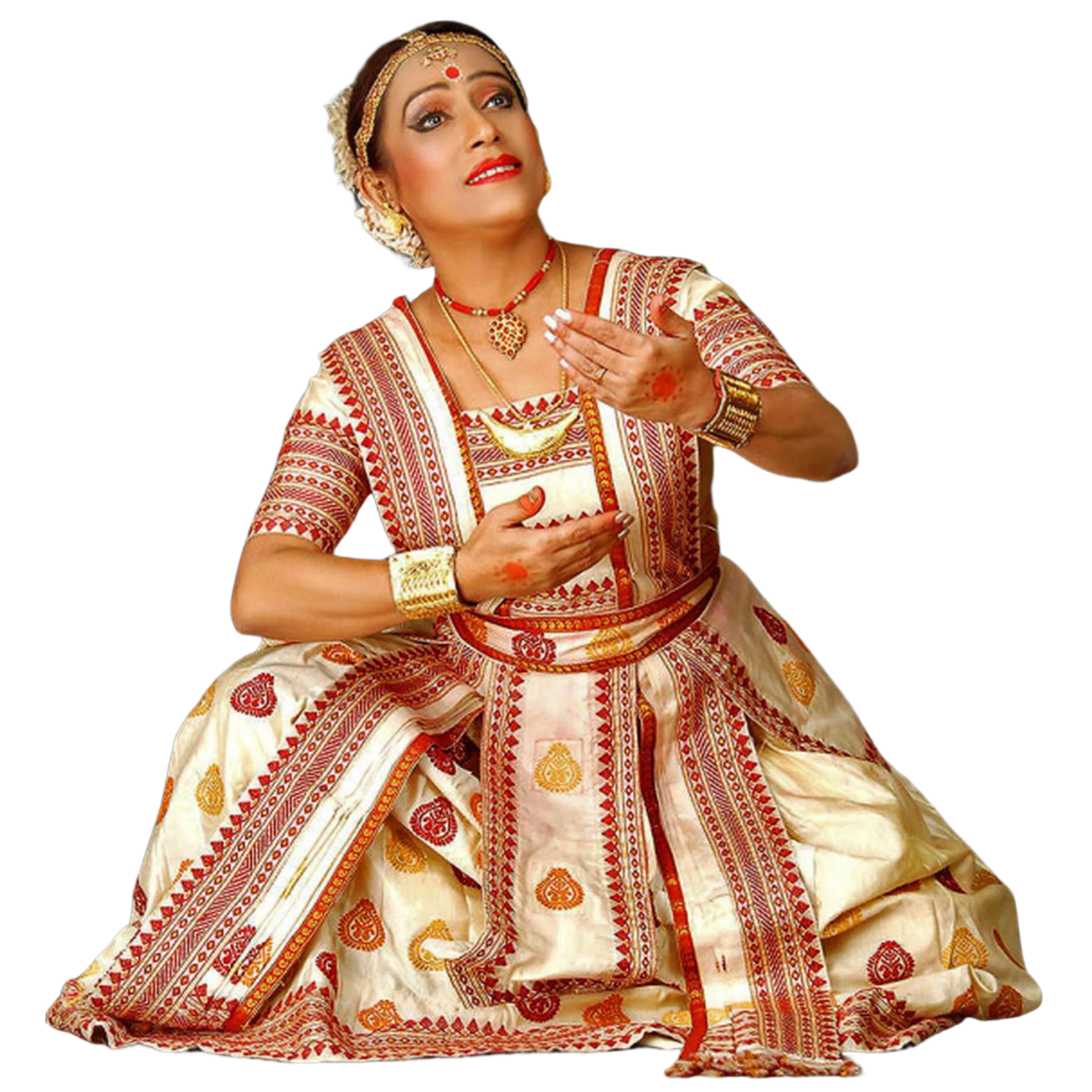
Sattriya dancer Anita Sharma
Sattriya Nritya · 30 JANUARY

ANITA SHARMA

Anita Sharma is a Sattriya exponent and recipient of the Sangeet Natak Akademi Award (2014). She trained with Guru Roseshwar Saikia Bayan and Padmashree Nrityacharya Jatin Goswami, and also studied Odissi with Garima Hazarika and Guru Kelucharan Mahapatra.

A performer, choreographer and teacher, she founded Abhinaya Dance Academy in Guwahati. Her research explores Assamese folk traditions, Sattriya and Ojapali; she has performed at leading festivals in India and internationally.

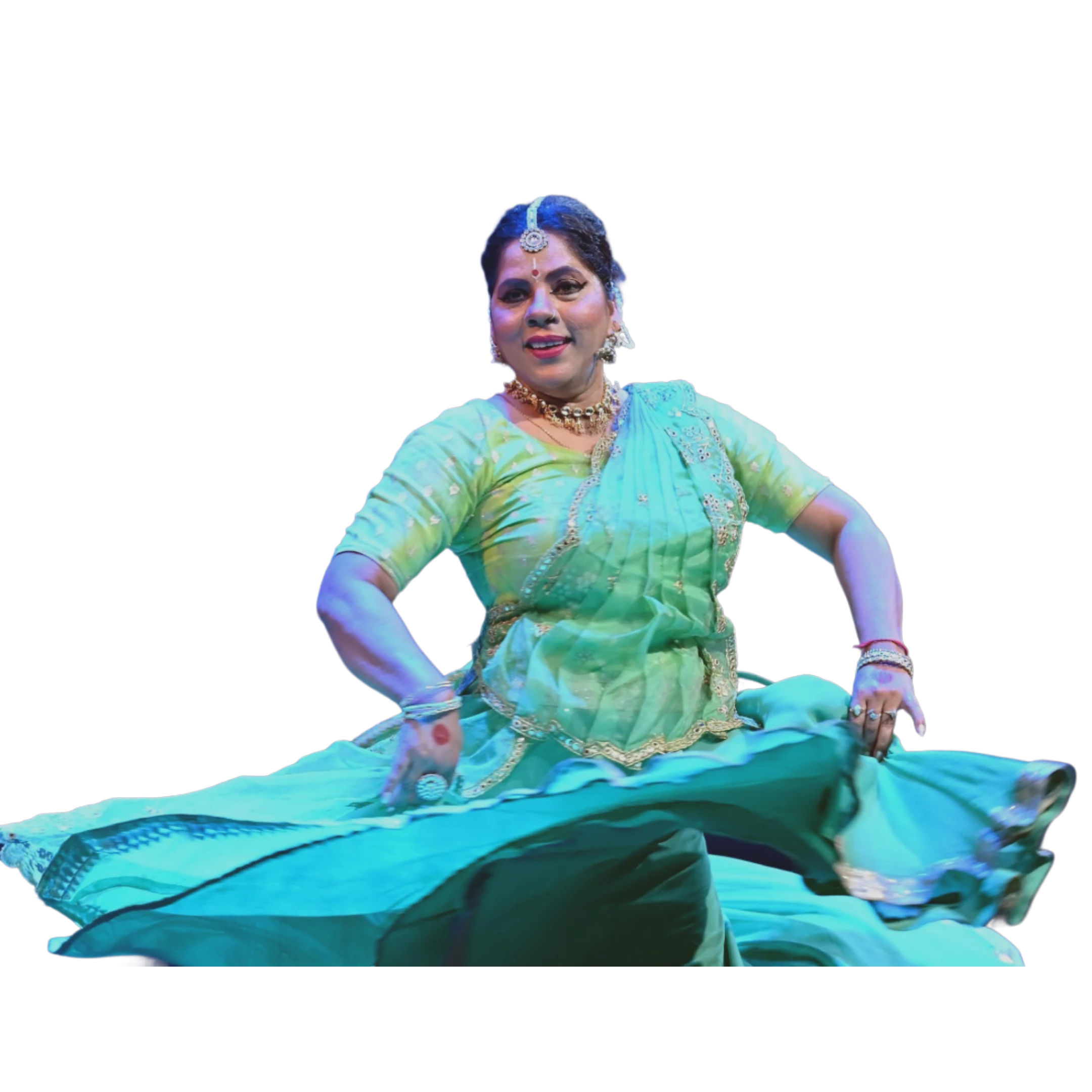
Kathak dancer Rupa Rani Das Bora
Kathak · 30 JANUARY

RUPA RANI DAS BORA

Rupa Rani Das Bora is an accomplished Kathak exponent rooted in the Lucknow gharana and a disciple of Guru Surendra Saikia. Her performances bring together rhythmic footwork, laya, abhinaya and expressive storytelling.

A graded artiste of Doordarshan Kendra, Delhi and ICCR-empanelled artiste, she has appeared on national and international platforms. Her repertoire includes Shiv Stuti, Teentaal and Radha-Krishna abhinaya.

SRI JAGANNATH BAYAN

SATRA BHUSHANKHOL MAESTRO

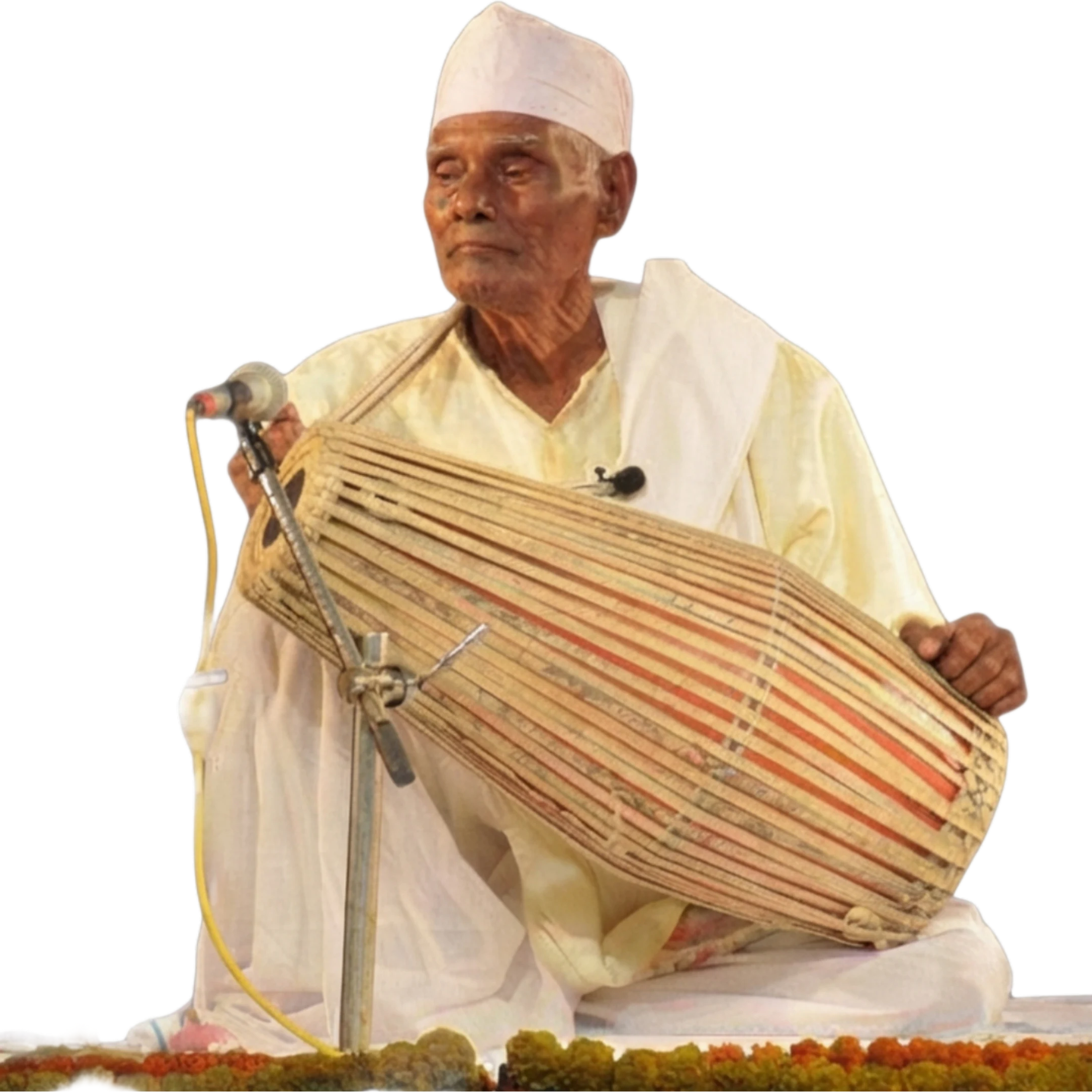
Sri Jagannath Bayan, Satrabhushan and Khol maestro

SRI JAGANNATH BAYAN

Born on 3 May 1925 in Kuzirdahati, Barpeta district, Sri Jagannath Bayan began learning Khol as a child from his father, Boloram Bayan, of the Bhima Bayan clan of Barpeta Satra. He furthered his training under Sattriya exponents Ramkrishna Bayan and Bhagaban Bayan.

He performed as a solo Khol player at regional and national festivals, led workshops and short courses, and documented Khol recitals for the Directorate of Cultural Affairs, Government of Assam. He published a DVD on Khol playing titled Bhortaler Chanda and was associated with Bhima Bayan Clan, Barpeta Satra and Srimanta Sankaradeva Kalakshetra.

He was honoured by the Directorate of Cultural Affairs in 1988 and 1993 and by Asom Gana Parishad in 2002. The Branch Society of Barpeta Satra conferred the title Satra Bhushan in 2016. He received the Sangeet Natak Akademi Award for Traditional Music (Khol) of Assam for 2017.

SATRABHUSHAN JAGANNATH BAYAN MEMORIAL AWARD

2027

31 JANUARY 2027

SRI RAJU DAS

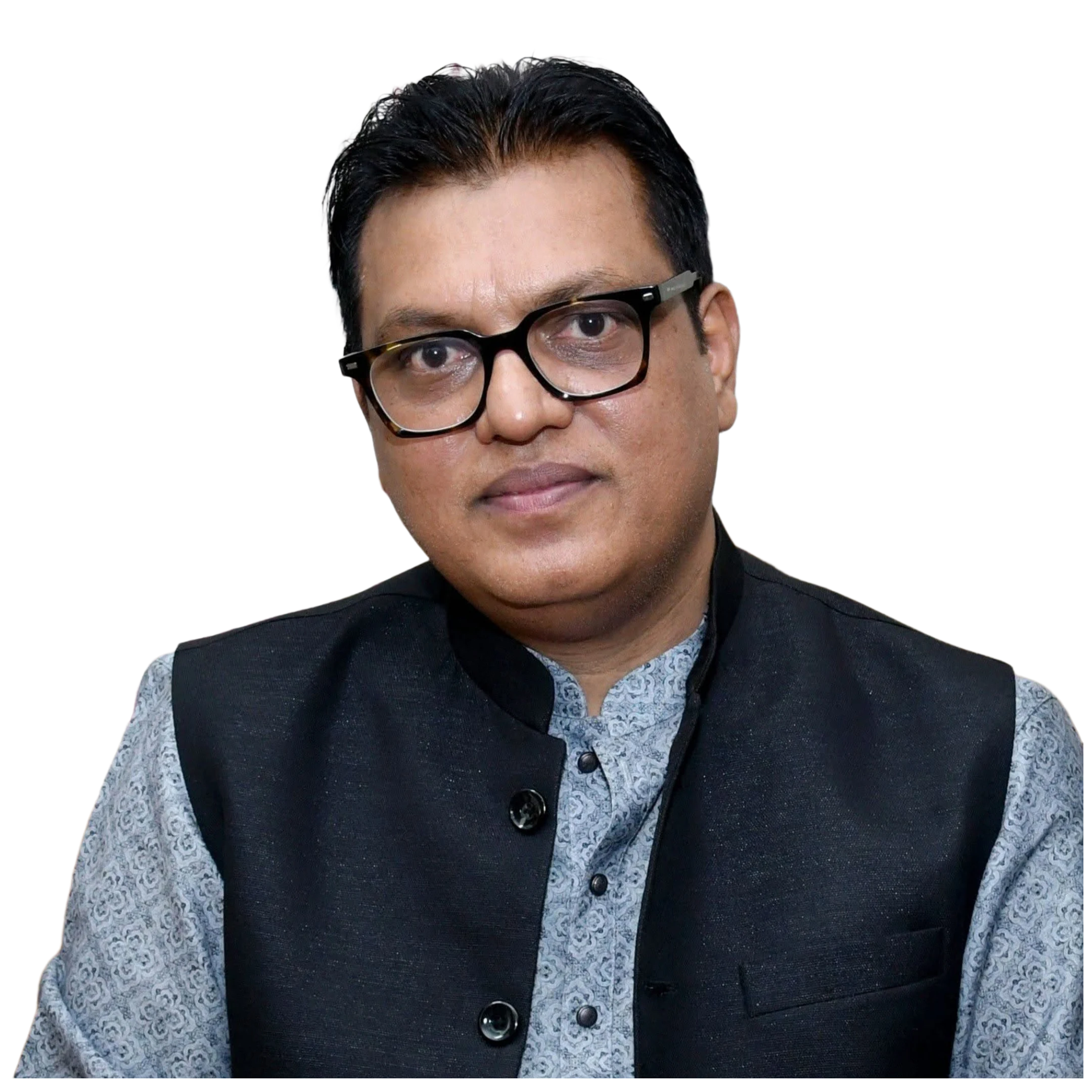
Sri Raju Das, Secretary of Sangeet Natak Akademi

SRI RAJU DAS

Sri Raju Das is a Sarod player, composer, poet and cultural administrator who serves as Secretary of the Sangeet Natak Akademi. A disciple of Pandit Narendranath Dhar, he has composed and directed music for dance dramas and SNA-commissioned productions.

His work supports the preservation and transmission of Sattriya and Indian Classical Arts. Through artistic and institutional leadership, he has encouraged young talent, honoured senior artists and helped traditional forms reach new audiences.

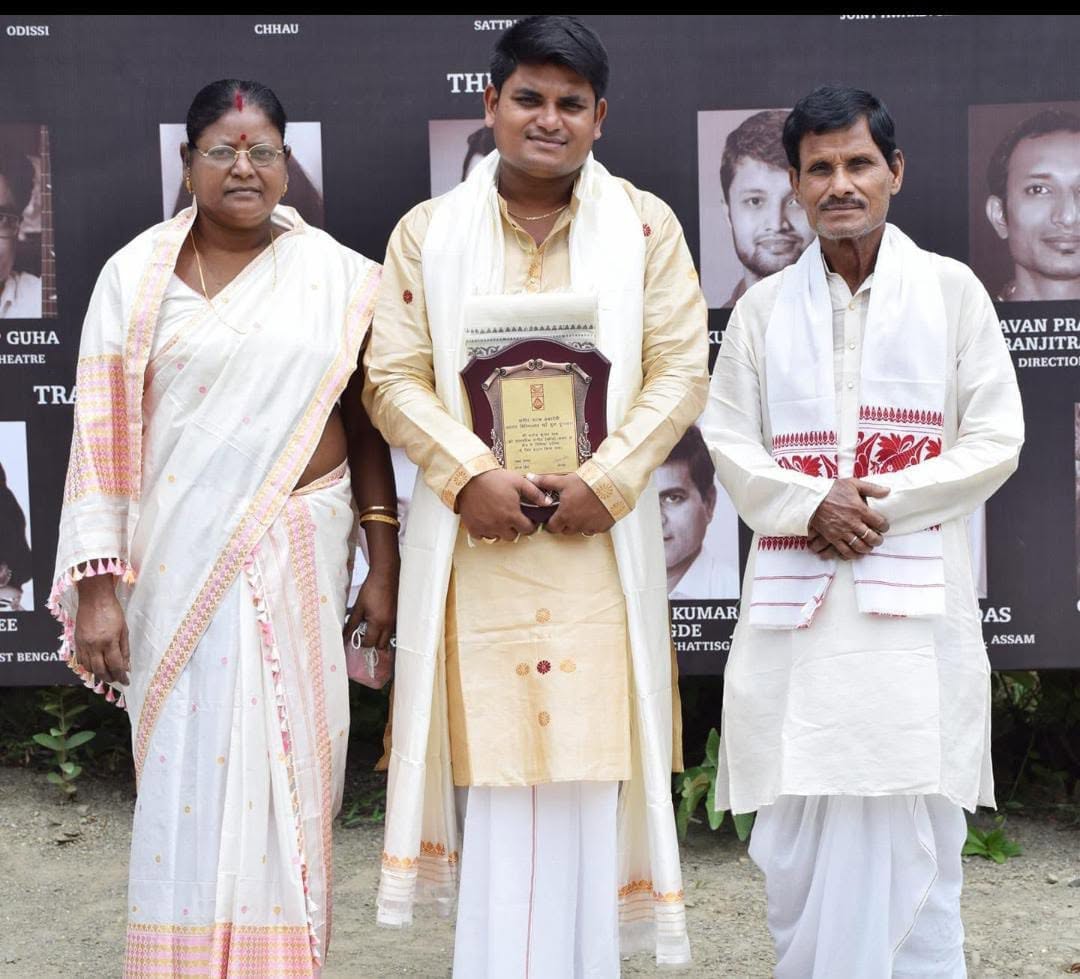
At Barpeta Sangeet Samaroh 2027, he will receive the Satra Bhushan Jagannath Bayan Memorial Award for his contribution to the preservation, promotion and propagation of Sattriya and Indian Classical Culture.

Preserving a Living Rhythm Tradition

ACADEMY
OF KHOL VADYA

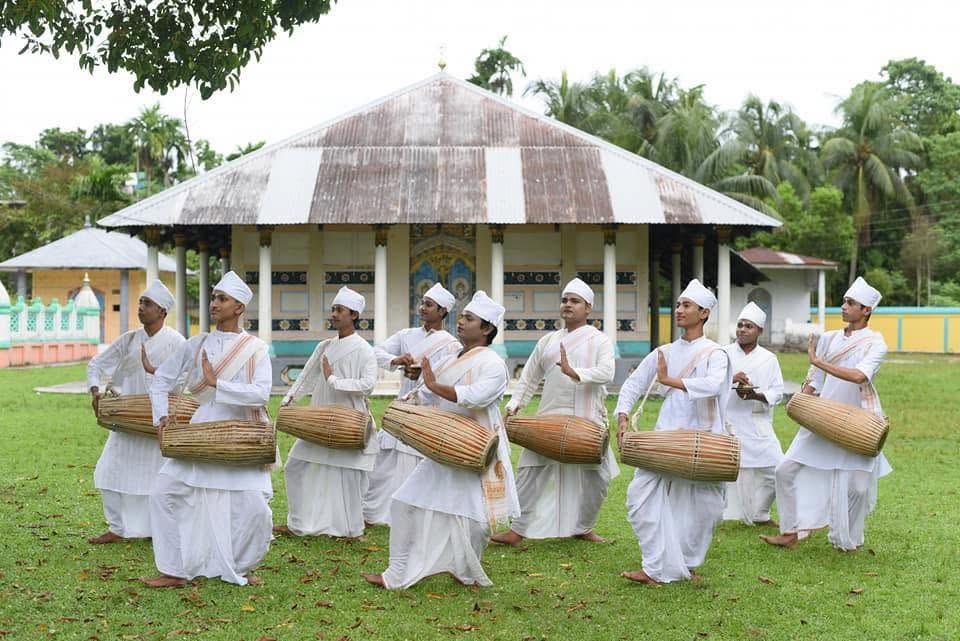
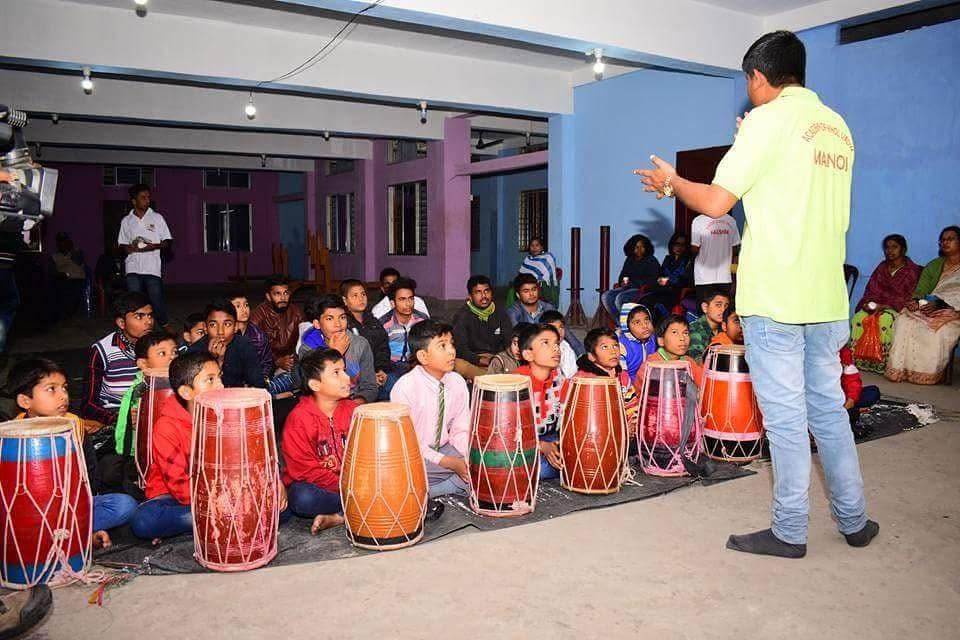
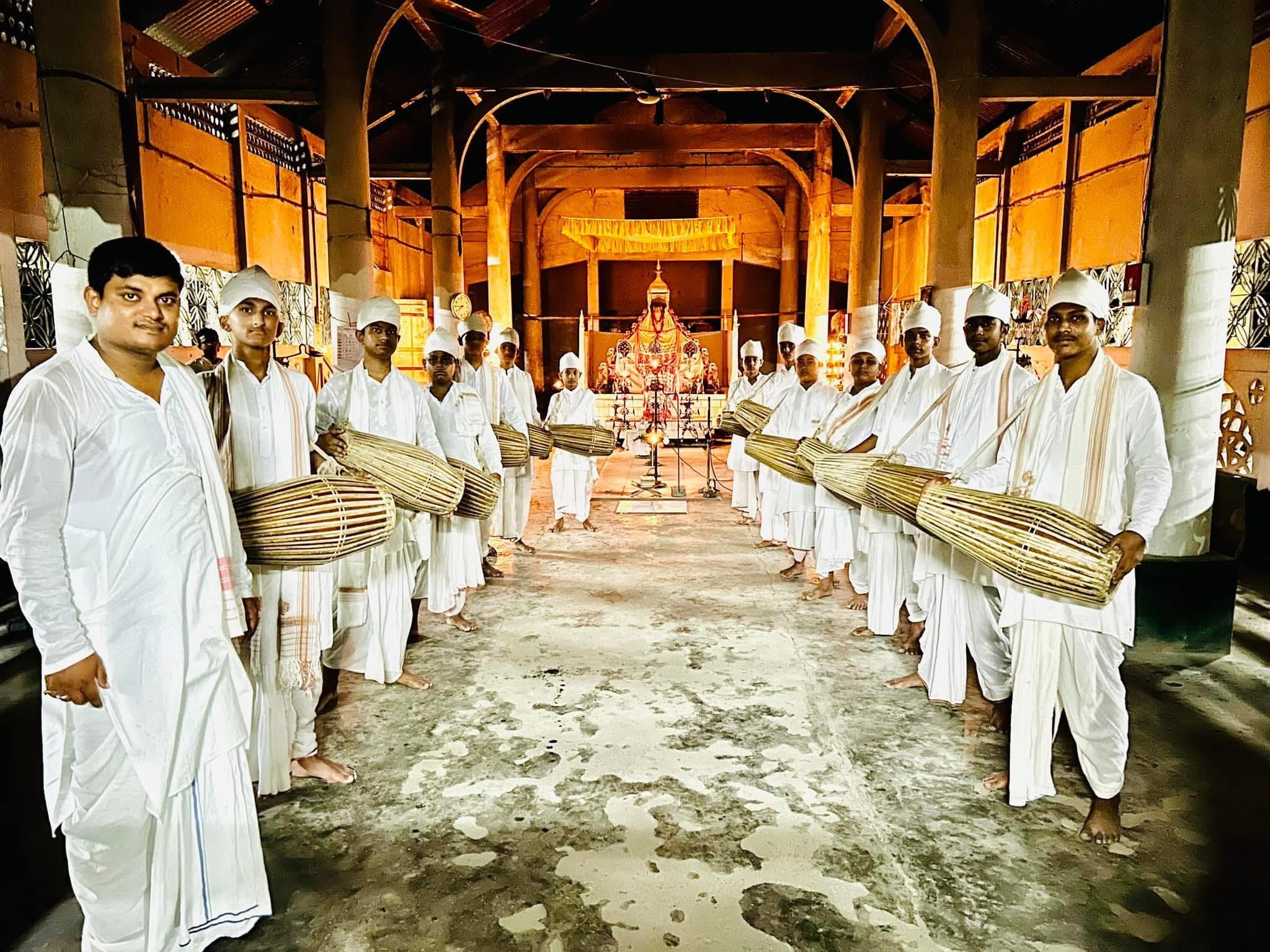
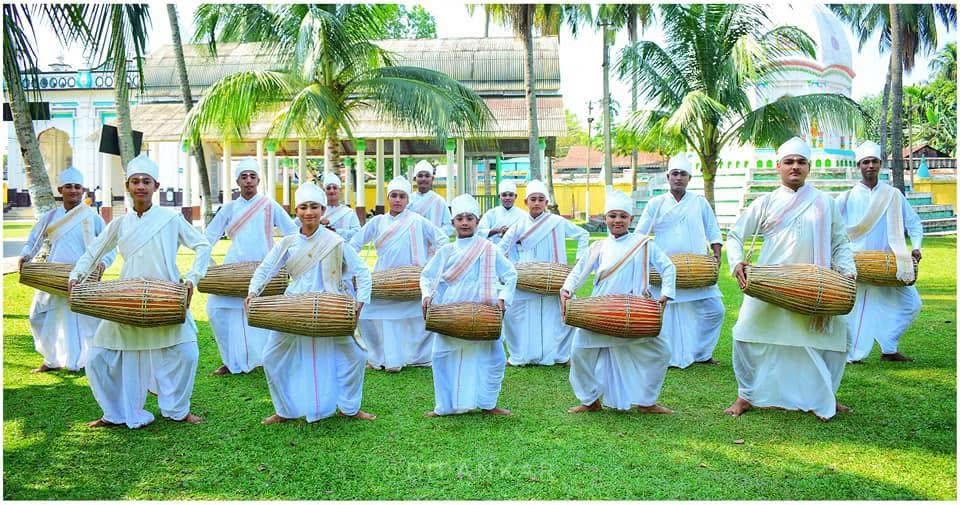
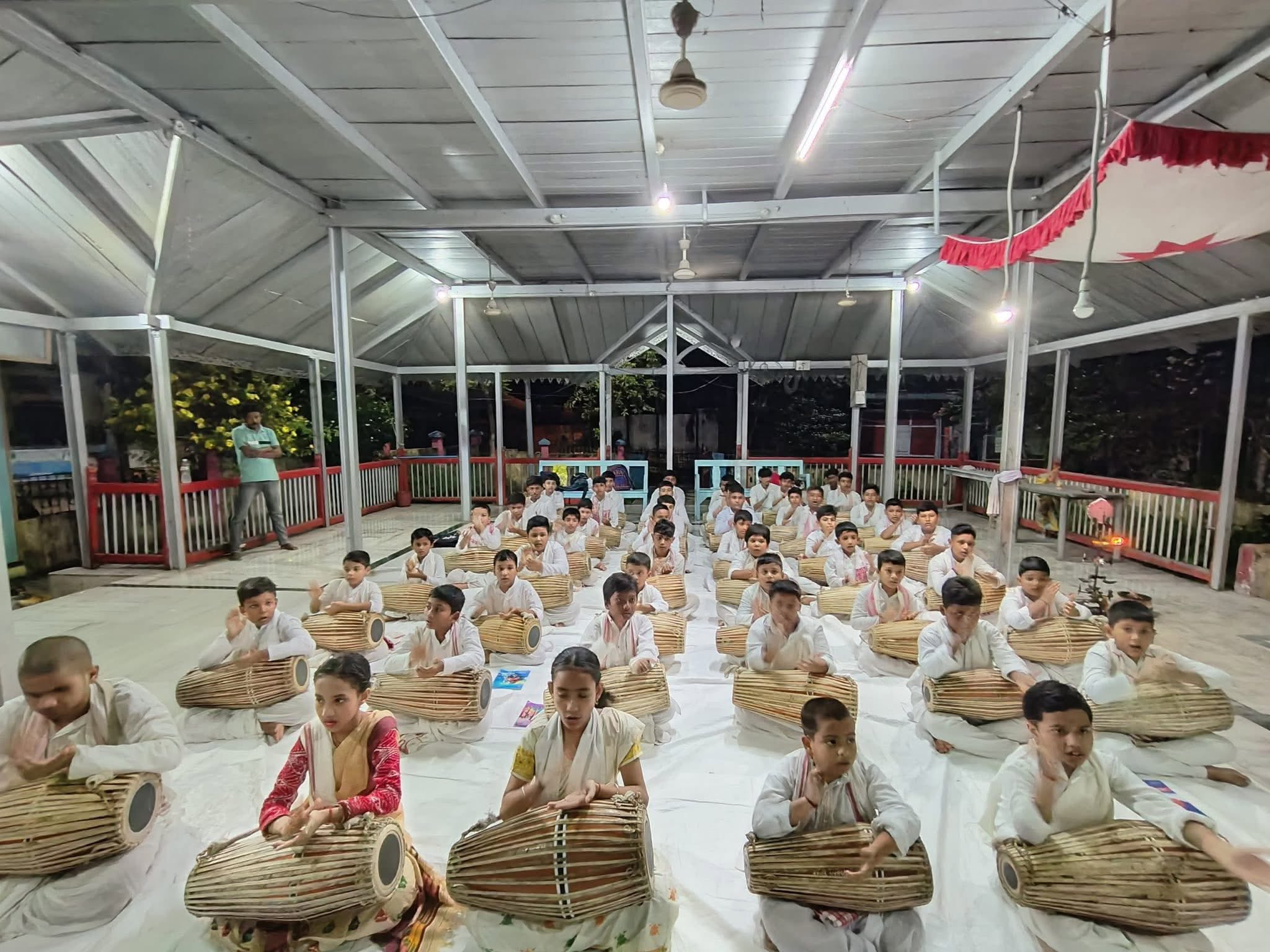
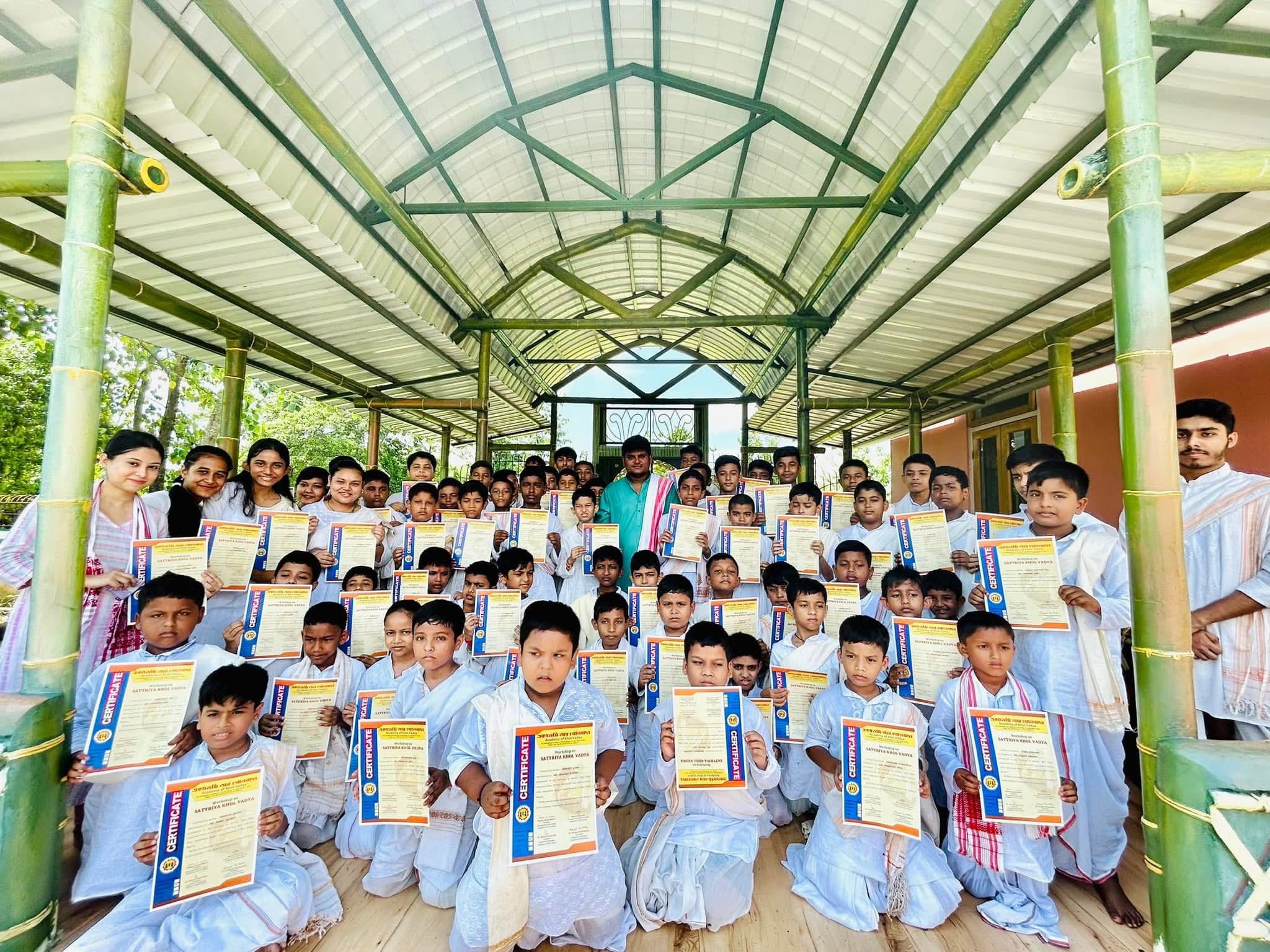
Founded in Barpeta in 2014 by Khol exponent Manoj Kumar Das, the Academy of Khol Vadya is dedicated to the teaching, preservation & propagation of Sattriya Khol Vadya, one of Assam's distinctive traditions of percussion.

Rooted in the living cultural environment of Barpeta Satra, the Academy carries forward a tradition transmitted through generations of practitioners. Under the guidance of Manoj Kumar Das, who received his Khol training from Satrabhusan Jagannath Bayan, Chief Bayan of Barpeta Satra, the Academy has developed a sustained programme of practical instruction for students from diverse backgrounds.

MANOJ KUMAR DAS

Sattriya Khol Exponent

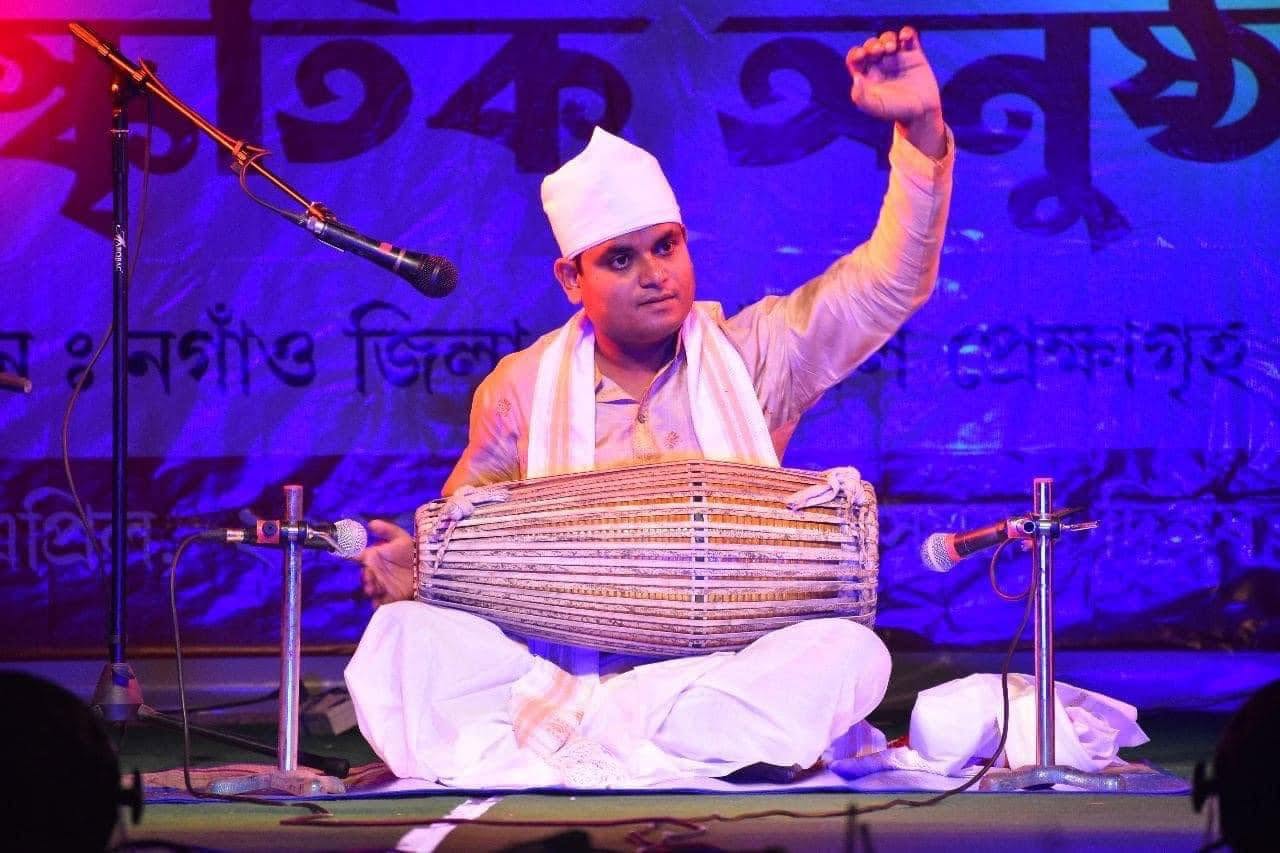
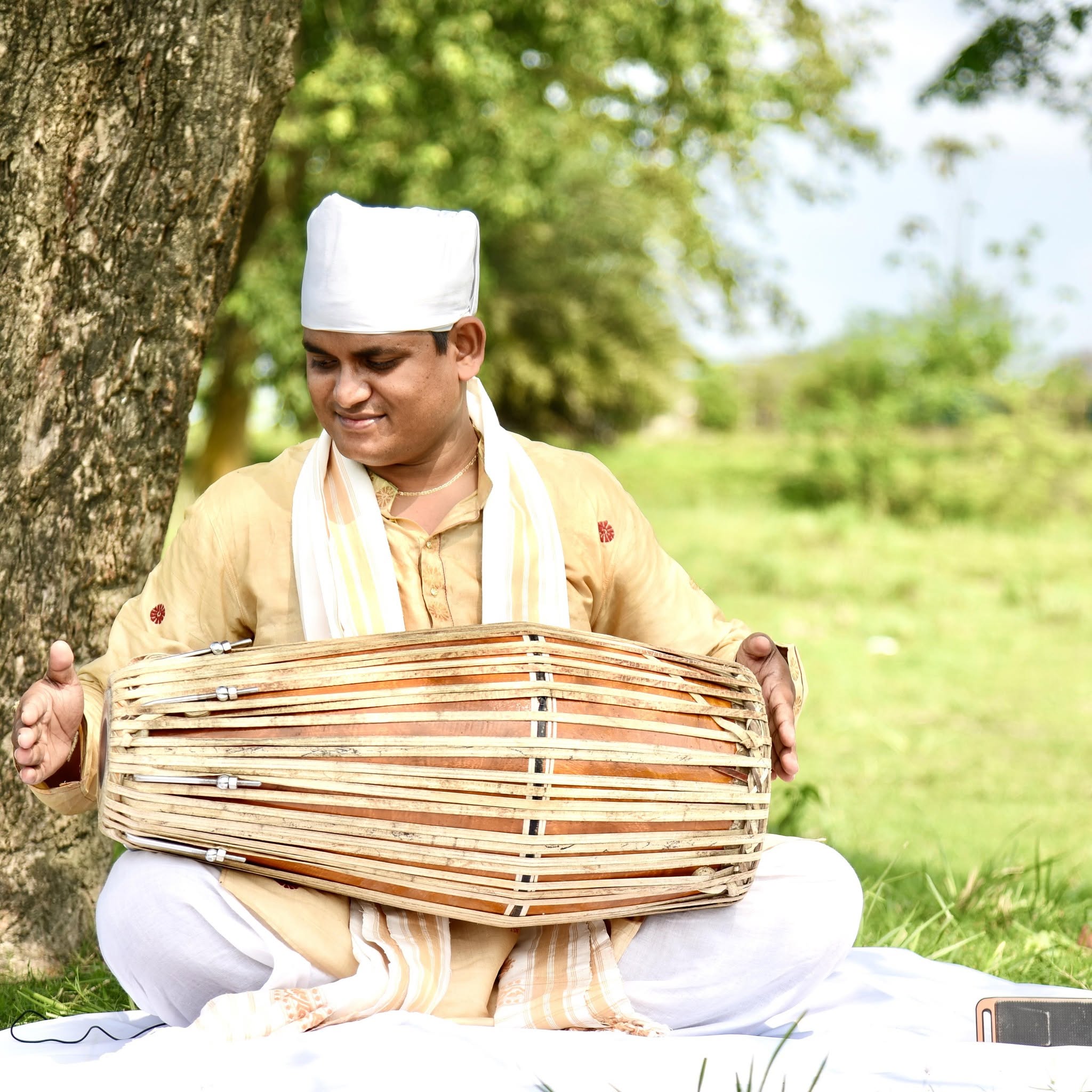
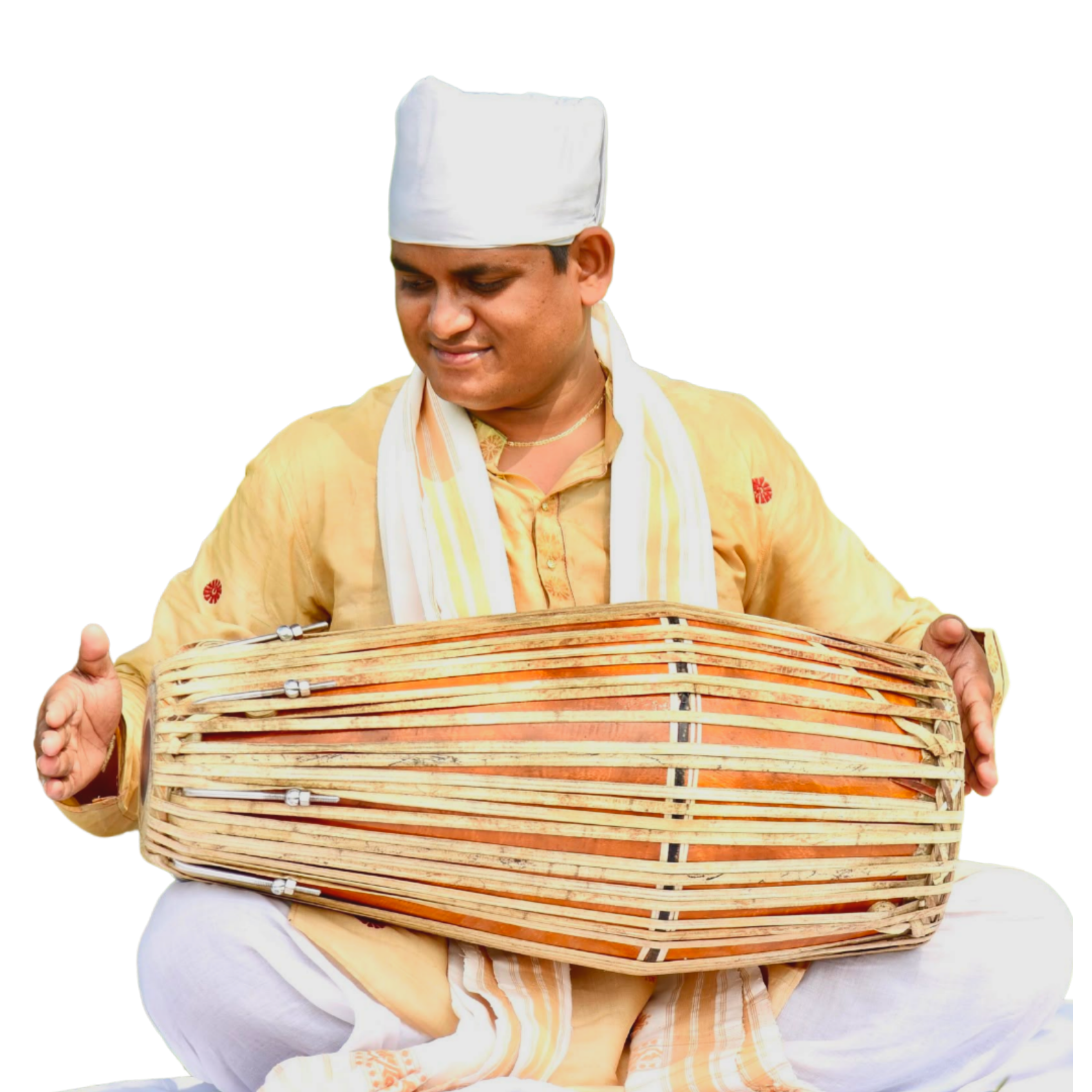
Sattriya Khol maestro Manoj Kumar Das

Manoj Kumar Das is a Khol Vadya exponent from Barpeta, trained under Satrabhusan Jagannath Bayan, Chief Bayan of Barpeta Satra. He received the Sangeet Natak Akademi Ustad Bismillah Khan Yuva Puraskar (2018), the National Young Artist Scholarship and a Ministry of Culture Junior Research Fellowship; he is a B-High Grade All India Radio artist.

A performer, teacher and researcher, he documents Barpeta Satra Khol rhythms and authored Khol-Bidya (Part-I). Through the Academy of Khol Vadya, founded in 2014, he teaches and transmits the tradition to younger generations. He currently serves as a percussionist at the National School of Drama.

THE GATHERING PLACE

BARPETA DISTRICT LIBRARY AUDITORIUM

JOIN US IN BARPETA

REGISTER
FOR THE EVENT